 Eden
EdenAdoptAI
The part of Eden that gets better every time somebody uses it.
Every new waste stream starts from zero
Cassava peel from one mill is not cassava peel from the next one, and neither behaves like the molasses down the road. Today that means weeks of trial runs before anyone even knows the shape of the process — which is the real reason industrial fermentation stays in the hands of companies that can afford to spend those weeks.
A licensing model cannot carry that cost for every licensee. So we are building the thing that removes it.
What it actually does
It learns the shape of a process from the runs that have already been done — ours and every licensee's — and then tells you which handful of experiments are worth doing next. Each dot is a real fermentation run. The band is how uncertain the model still is. It narrows as evidence arrives.
A model that learns
Each batch — ours or a licensee's — trains the model. The network gets better at starting plants the more plants it has started.
It decides what to try next
Rather than a fixed grid of experiments, the AI proposes the handful of runs most likely to teach you something, and ranks them.
It knows what it does not know
Every prediction carries its own uncertainty. Where the data is thin the model says so instead of guessing, so an engineer can see the confidence, not just the answer.
Why it compounds
Most industrial know-how leaks. A process can be watched, written down and walked out of the door. A model trained on production data from twenty plants cannot — it only exists where the data is pooled.
A licensee runs their plant
Every batch is recorded: what went in, what conditions were held, what came out.
The model takes it in
Those runs join everything the network has done before, across every feedstock.
The next plant starts closer
A new licensee on a similar stream begins from a tested starting point instead of from nothing.
Everyone's yield improves
Royalties are paid per kilogram, so a better model pays us and the licensee at the same time.
Built on our own runs first
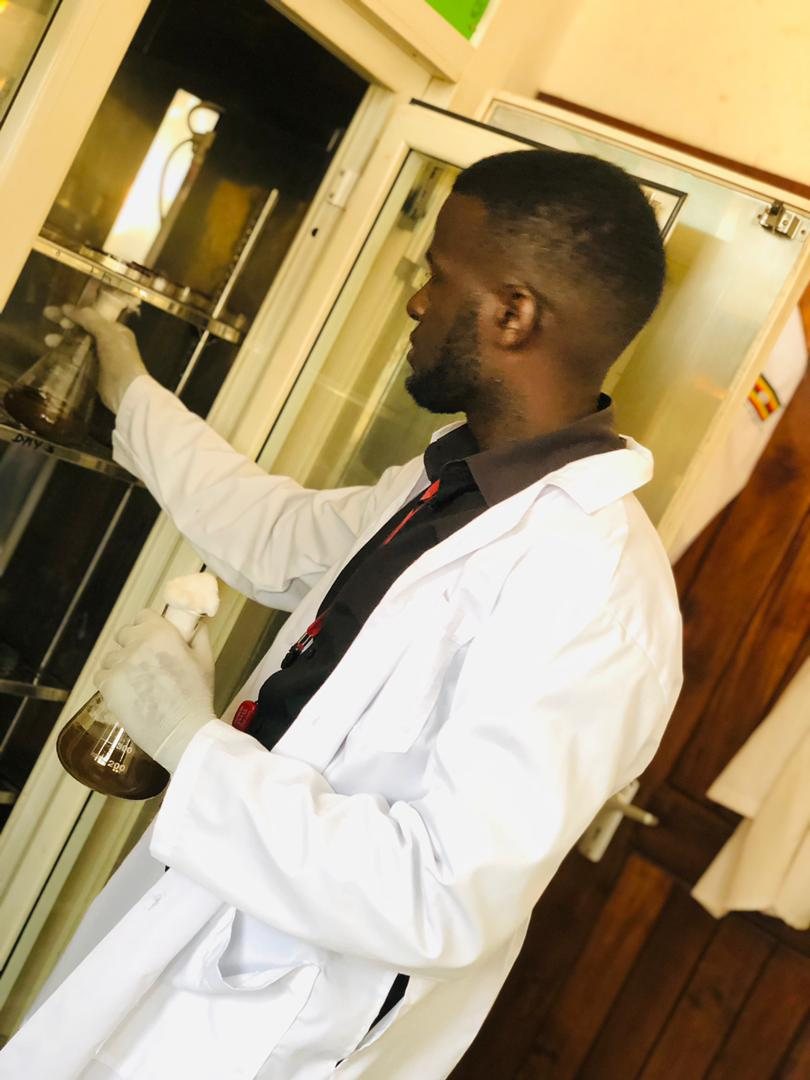
We are training it on the fermentations we have already done in Mbarara, and on what the published literature gives up. Every run we do from here adds to it.
Where it is
In development, alongside the demonstration plant. The plant is what produces the data the platform needs, so the two are being built together rather than one after the other.
If you work on machine learning for industrial processes, or you run fermentations and would consider sharing data, we would like to talk.