 Eden
Naturally produced by microbes fed on agricultural waste
The polymer is called PHA. Bacteria make it themselves — we only have to feed them the right thing.
How it is made
Closer to brewing than to chemistry. Four steps.
Open the waste
Peel, bagasse and other residue are broken down so the sugars locked inside them are released into a liquid the bacteria can drink.
Ferment
Our own bacterial strains feed on that liquid and store the polymer inside their cells, the way an animal stores fat.
Recover
The cells are opened and the polymer is separated out and dried, leaving a pale powder.
Make pellets
The powder is melted into pellets that run on the moulding and extrusion machines a converter already owns.
See it happen
Fifteen seconds in our laboratory in Mbarara: the flasks, the recovery, and the polymer in the hand.
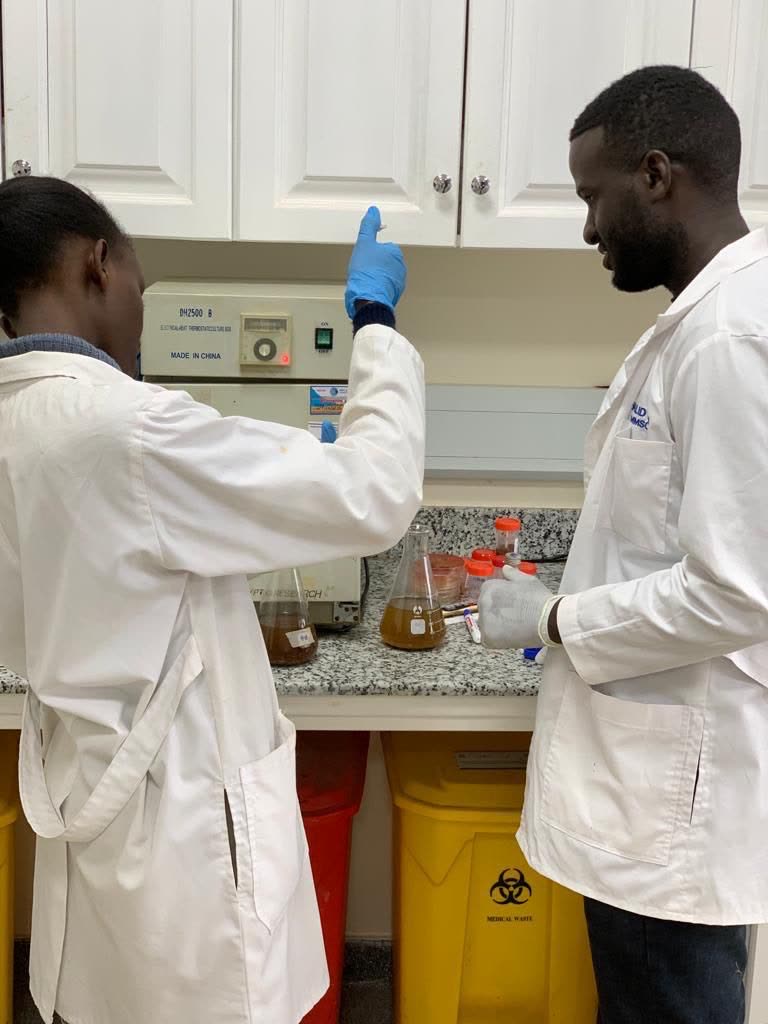
Run by hand, every batch
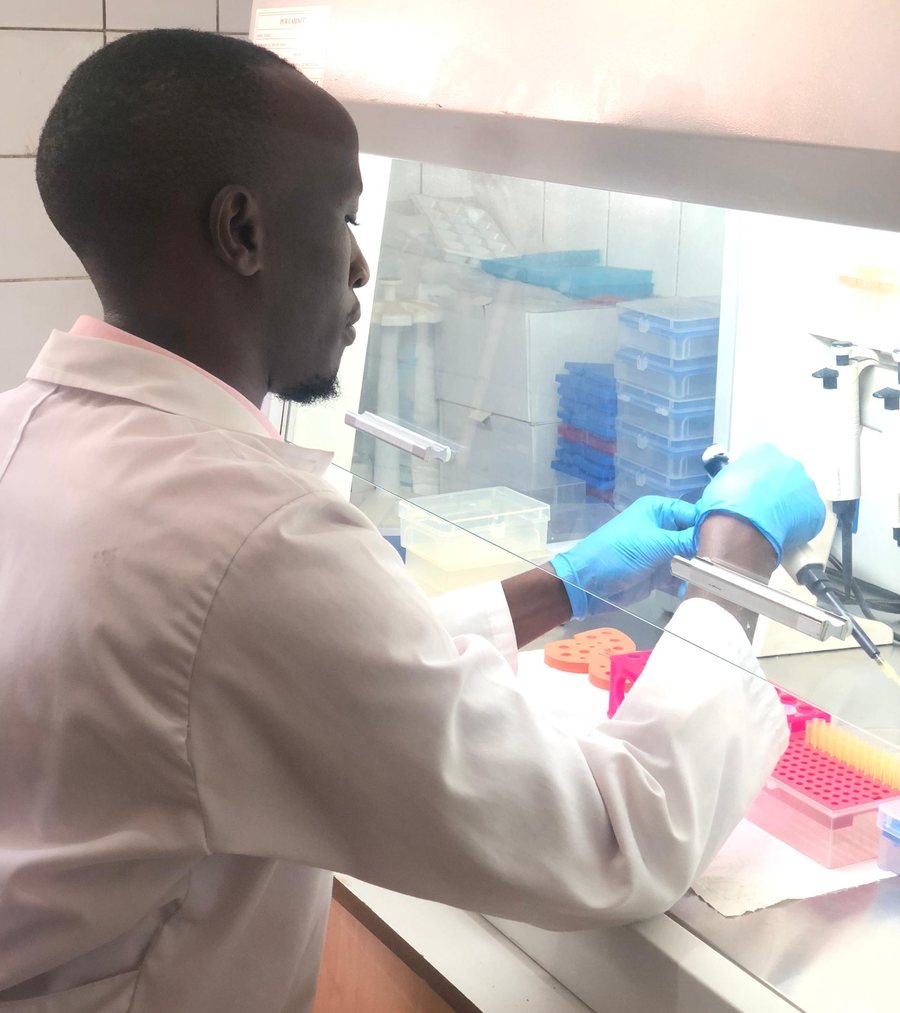
Each flask is set up, fed, sampled and checked by someone on the team. That is how a process gets understood well enough to hand to somebody else.
Confirmed, one strain at a time
Every strain in the library was screened and confirmed by PCR before it earned its place there.
Thirteen strains, isolated here
This is the part of Eden we guard. Anyone can read a paper on PHA. Nobody else has these organisms.
Found here, not ordered in
Thirteen PCR-confirmed strains, isolated from Ugandan sources and screened on real agricultural waste rather than on clean laboratory sugar.
They tolerate what a mill actually produces
Residue is inconsistent by nature — the same peel differs between a wet month and a dry one. A strain that only performs on a clean feedstock is no use in a factory.
The licence lives in the culture
Every licensee receives seed cultures from us, and keeps receiving them. No culture, no production. It is why the technology cannot simply be walked out of the door.
Feedstocks we work with
Five residue streams, all of them already being produced somewhere in Uganda and all of them currently a cost to somebody.
 Banana peelUganda's largest residue stream, and the one behind our partnership with PIBID.
 Cassava peelFrom processing mills, available right through the year.
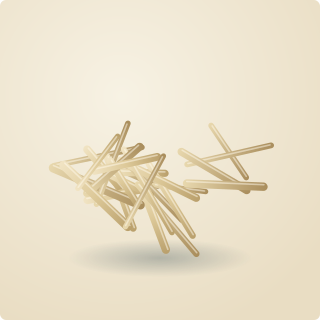 Sugarcane bagasseThe fibre left behind after the juice is pressed.
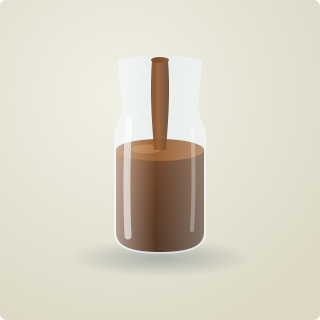 MolassesA sugar by-product, already liquid and ready to ferment.
 Dairy wheyA dairy stream that is otherwise poured away.
Illustrated. Photographs of each stream are being taken at our partners' sites.
EdenAdoptAI
Running a process is one thing. Starting a new one on a waste stream nobody has fermented before is the hard part, and it is what decides whether a licence takes three months or three years. EdenAdoptAI is the AI platform we are building to shorten that.